“Join us … for a journey of discovery into Rome’s arteries, veins, lungs and bowels – and in doing so understand why Rome was at the centre of a perfect storm: blessed with extraordinary natural and geological resources, armed with a spirit of invention and determination to push the boundaries of possibility, and ready to exploit its own human resources to the max to create a city which we still wonder at today, and which occupies an incredible place in our story board of human history.”
BBC’s ONE’s 60 minute special Rome’s Invisible City follows ScanLAB Projects and presenters Alexander Armstrong and Dr Michael Scott as they explore the hidden underground secrets of Ancient Rome. The show explores Roman infrastructure and ingenuity, all below ground level. We journeyed via the icy, crystal clear waters of subterranean aqueducts that feed the Trevi fountain and two thousand year old sewers which still function beneath the Roman Forum today, to decadent, labyrinthine catacombs. Our laser scans map these hidden treasures, revealing for the first time the complex network of tunnels, chambers and passageways without which Rome could not have survived as a city of a million people.
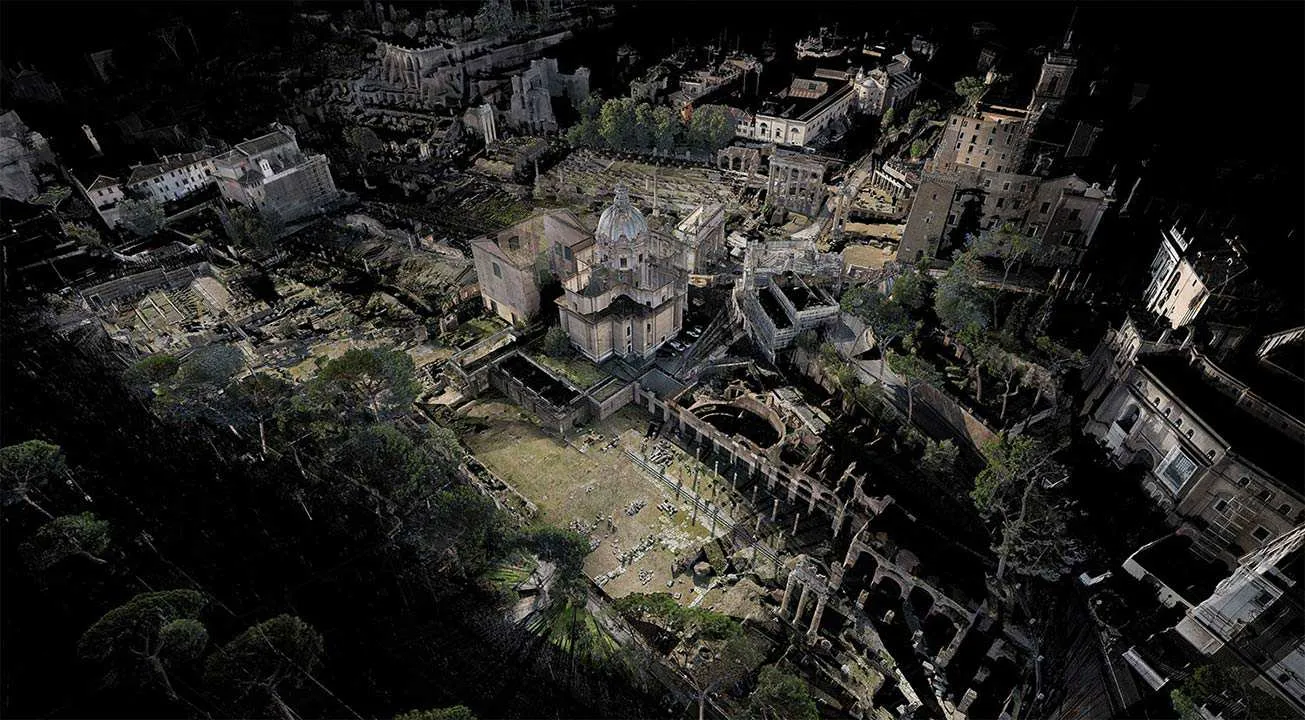
The Roman Forum and still functioning Roman Sewer
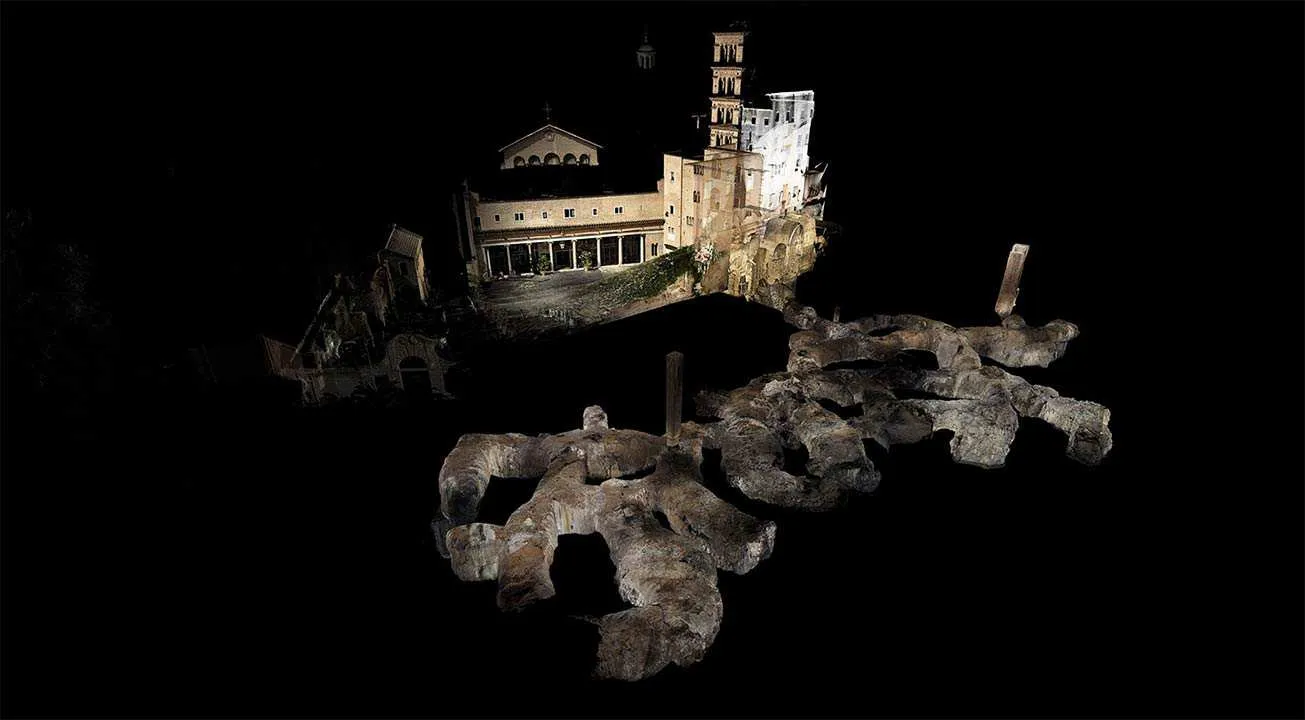
The temple of the Divine Claudius and its underground Quarry
The team experienced unprecedented access to some of Rome’s most recently discovered treasures and most recent archaeological finds, guided by a Rome’s Underground Archaeology Unit. Often access was complex but exciting - abseiling 20 meters down through a manhole cover into underground quarries or delicately picking our way in pitch black, water filled tunnels. The result is some of the most comprehensive scanning achieved in Rome, in an unprecedented level of colour, accuracy and detail.
3D Scanning forms the backbone to the show, capturing each location in millimetre detail for immediate, on screen investigation by the presenters. While the scanning is an on screen event in itself, the processed scan data then forms the basis for the show’s graphics, compiling a complex map of subterranean discoveries set within their ancient, and contemporary, aboveground context. Navigating the pointcloud we zoom into views of the entire Roman Forum to see the detailed construction of the Cloaca Maxima below. The scans highlight ancient pick-marks on the surface of quarry walls, the incredible coloured frescoes of Pagan burial chambers and the delicate carved frieze’s within hidden Mithraic Temples.
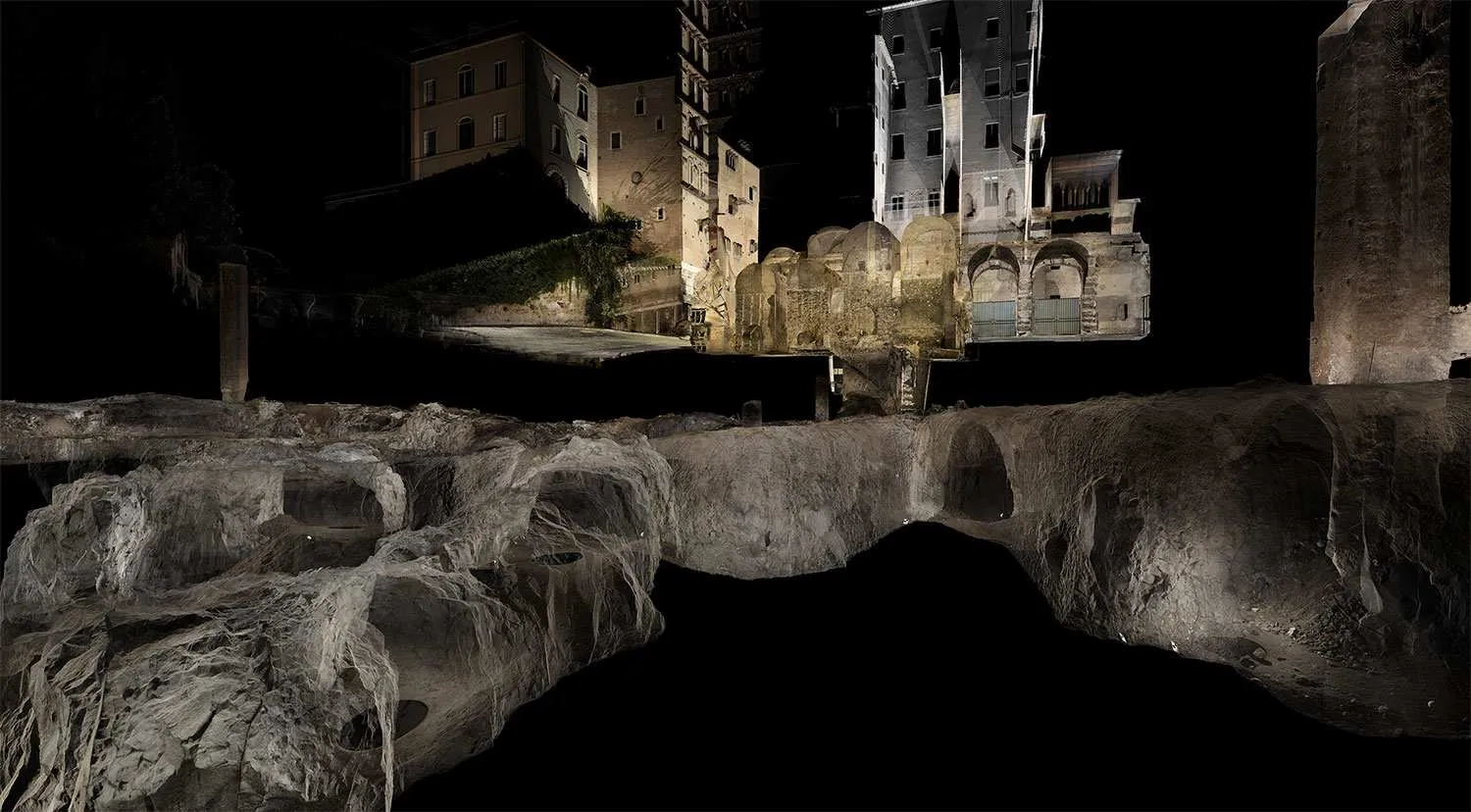
The temple of the Divine Claudius
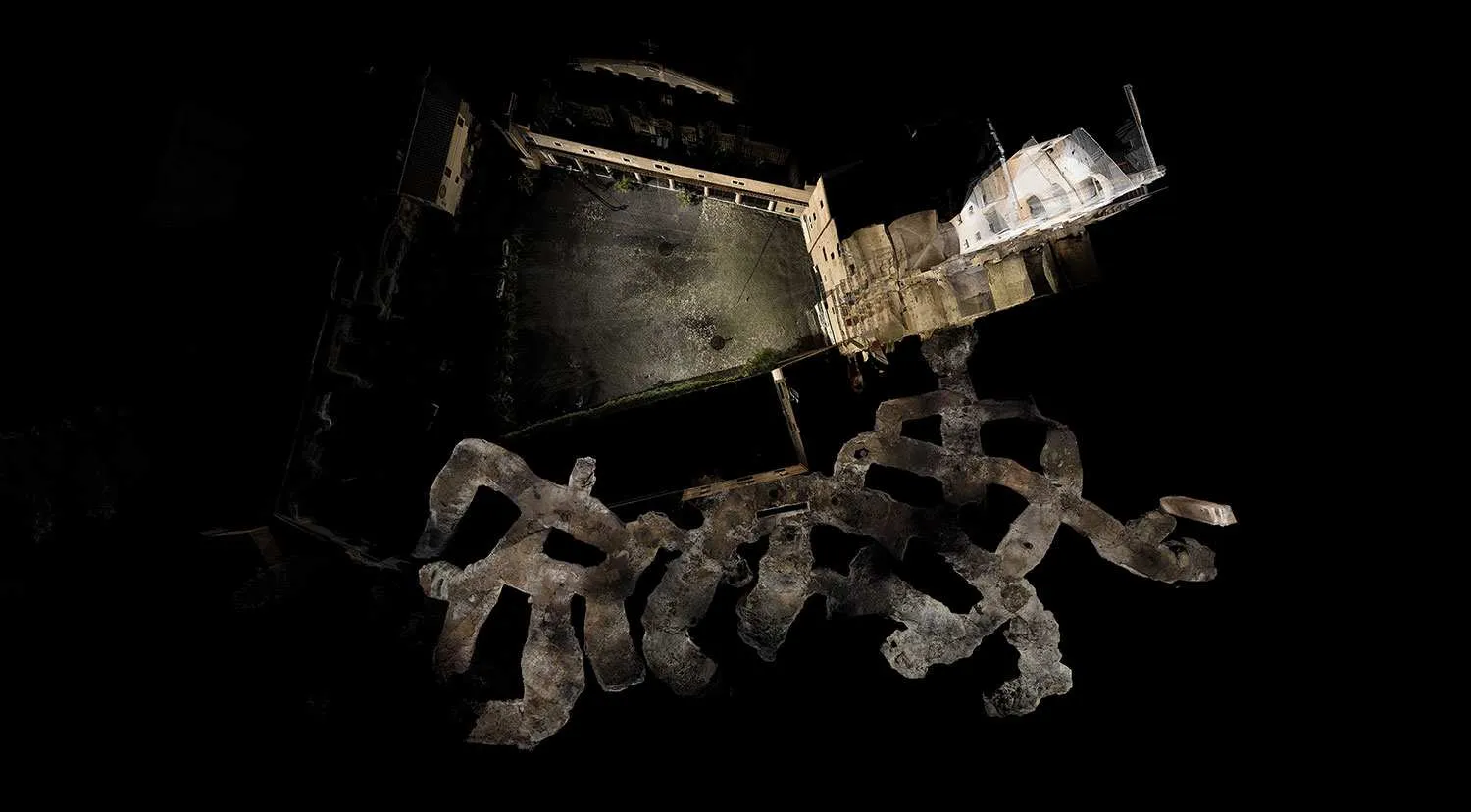
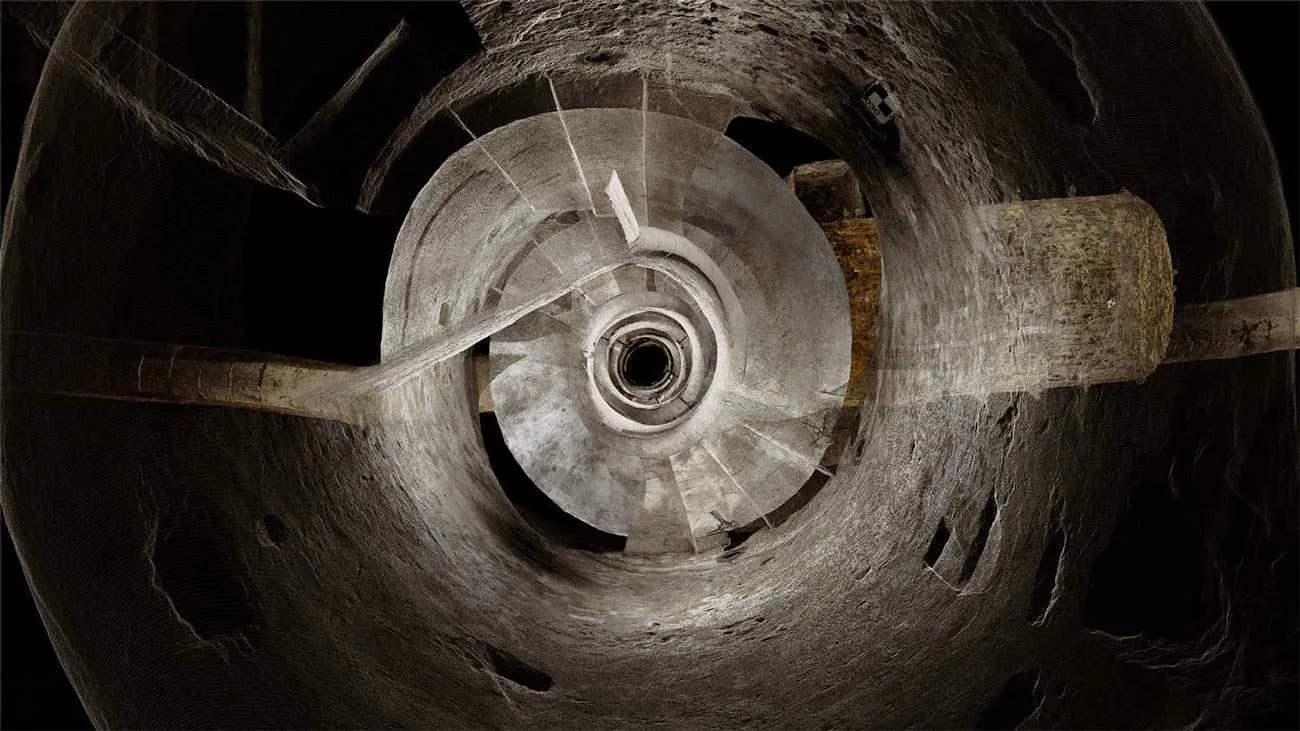
Passage down to the Aqua Virgo Aqueduct
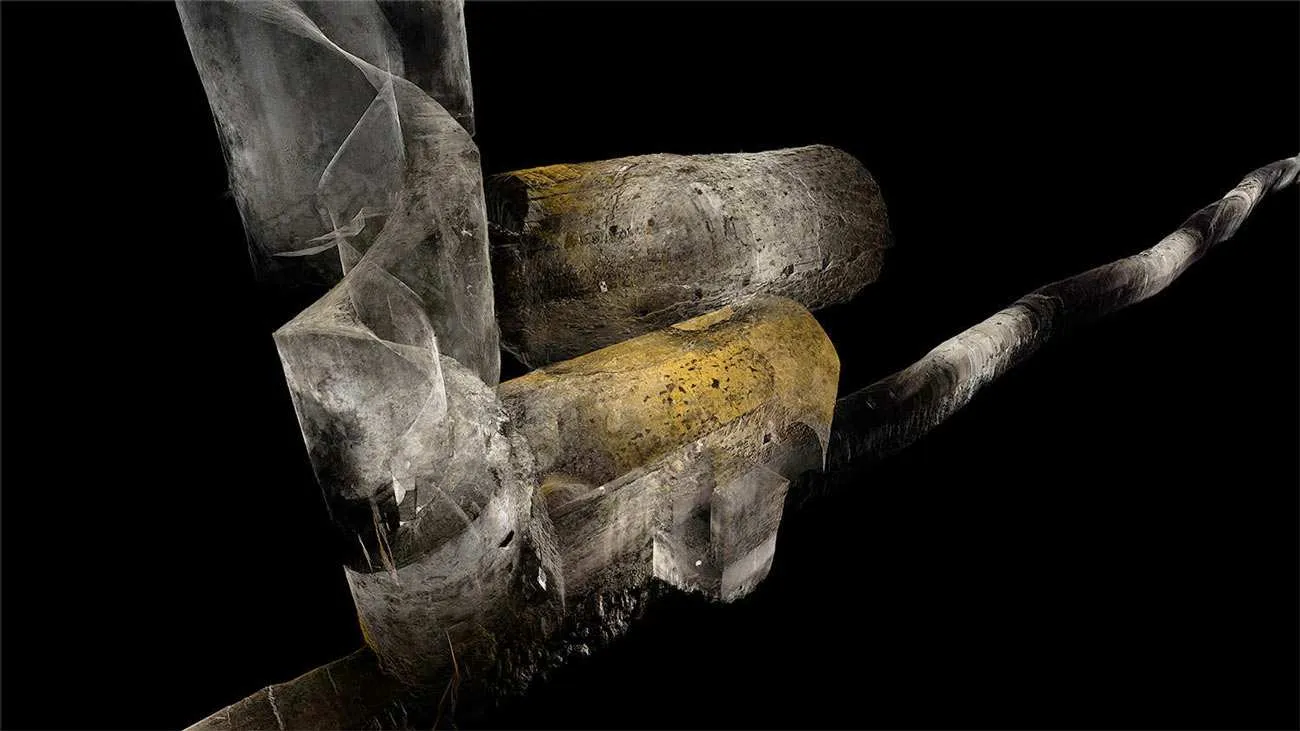
The Aqua Virgo Aqueduct feeds fountains in the centre of Rome
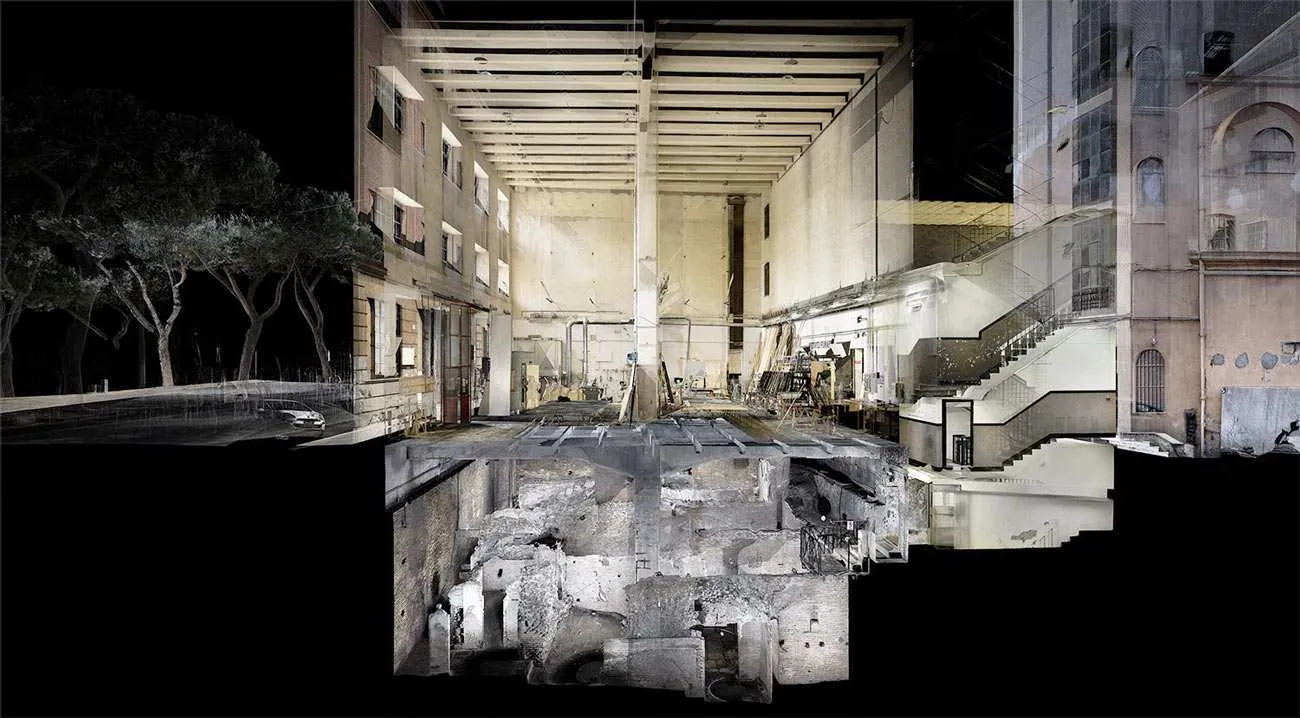
Mithras Temples hidden below modern Rome
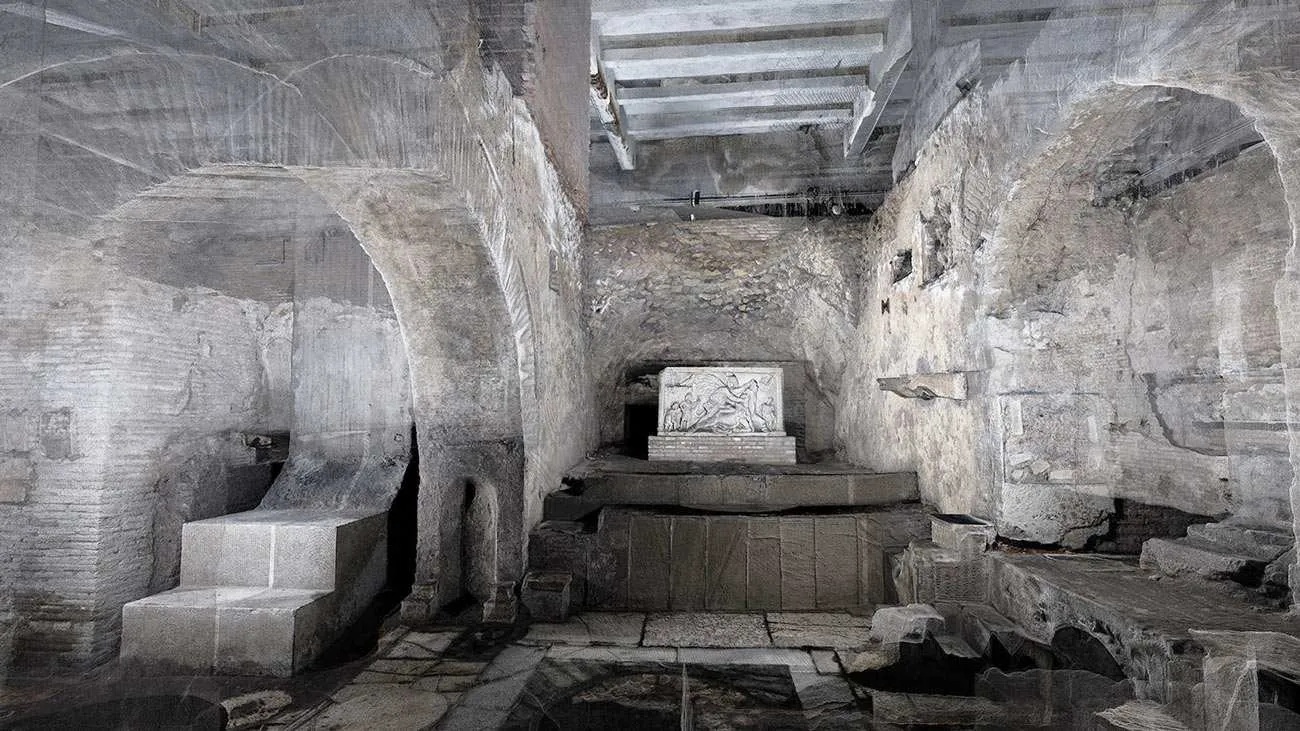
Mithras Temple Alter
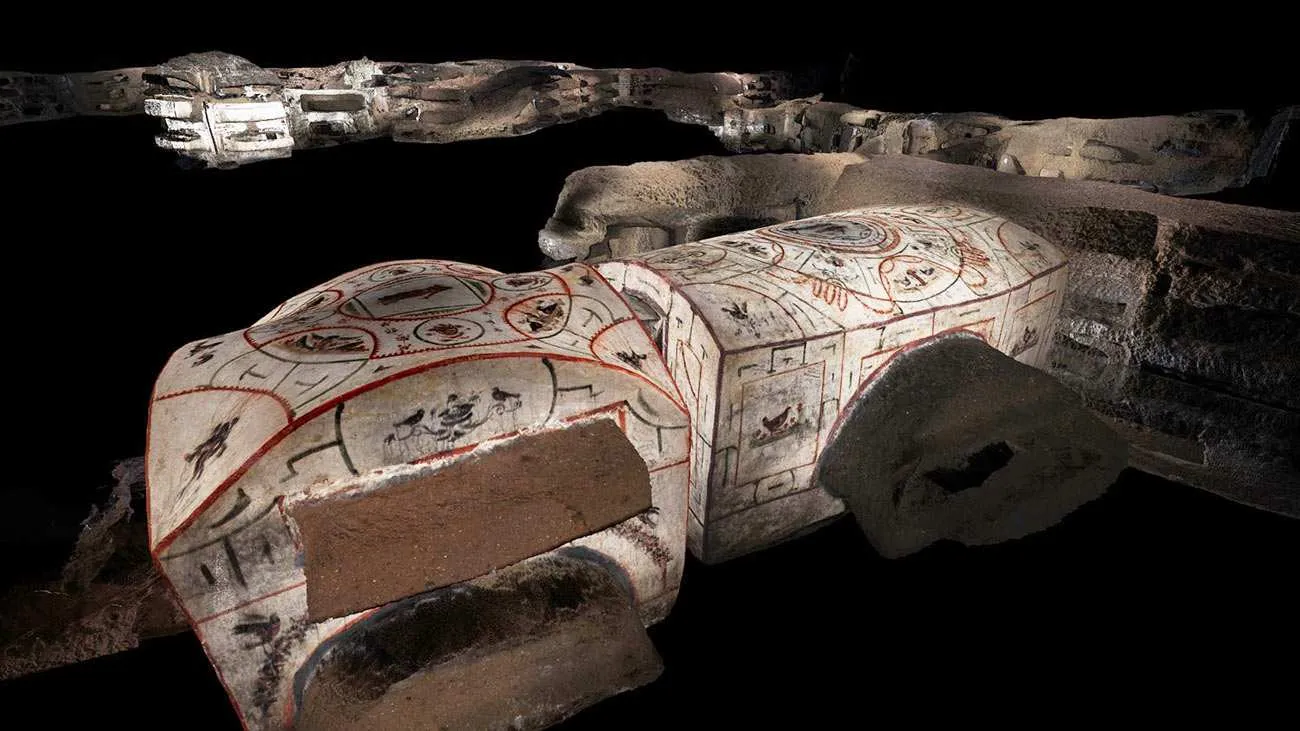
Miles of underground Catacombs with intricate frescos
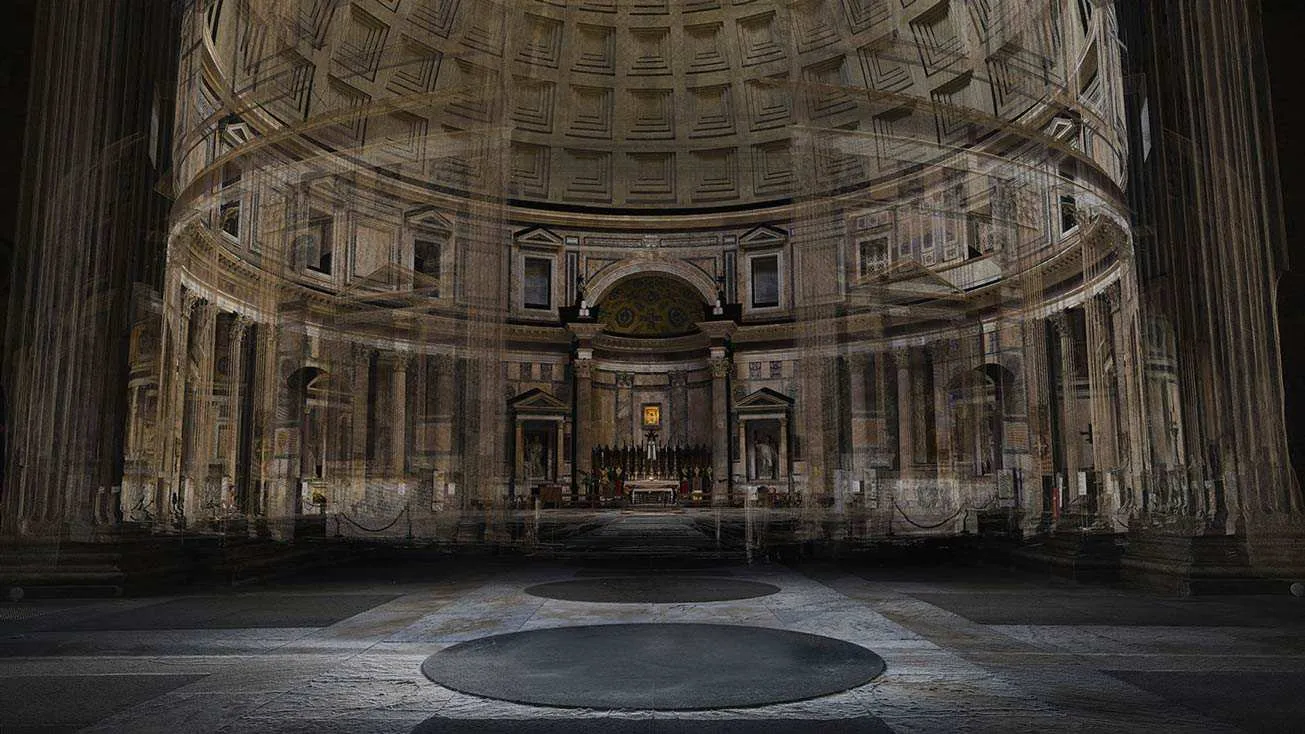
The interior of Rome's iconic Pantheon
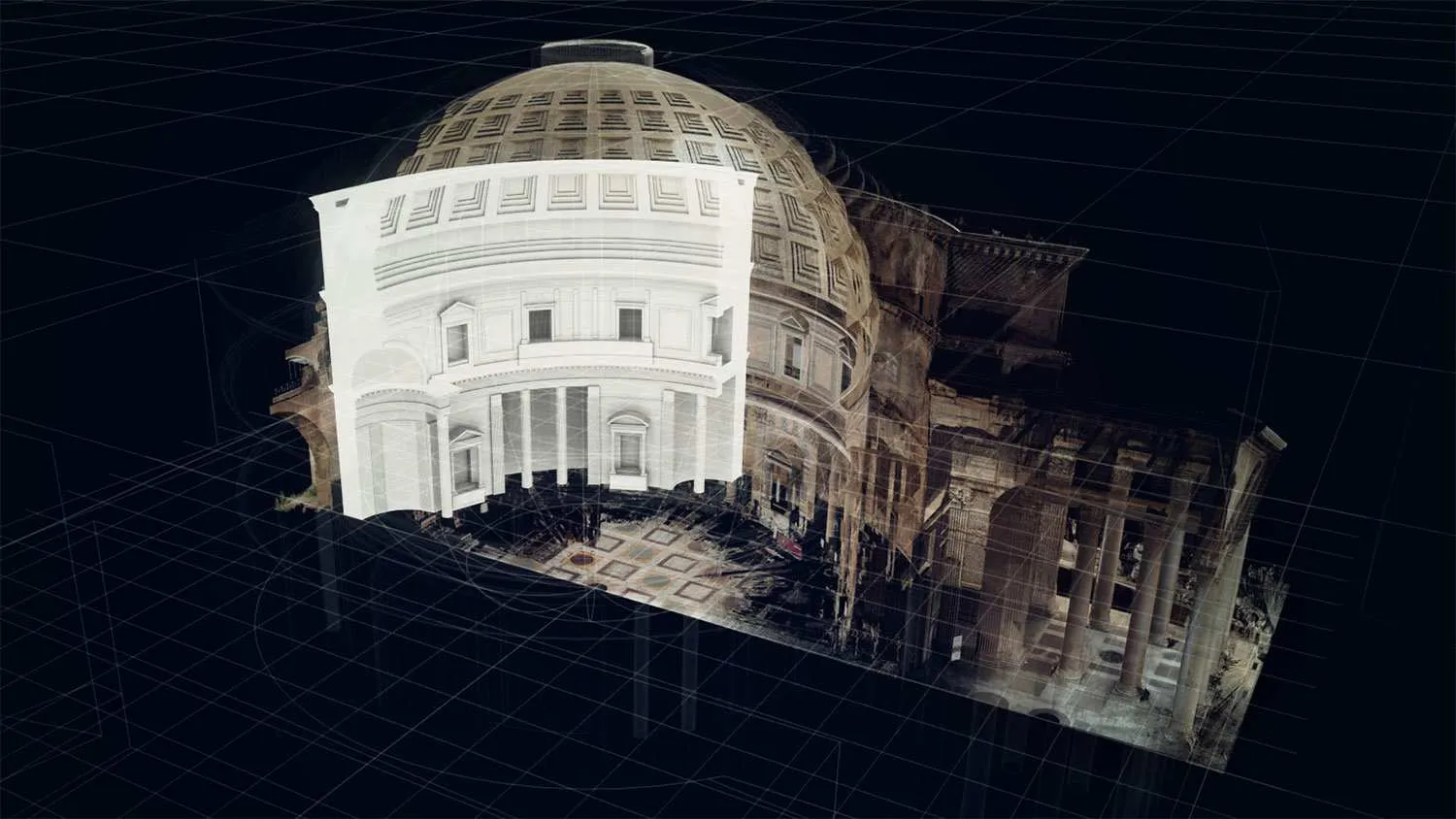
Revealing the engineering behind one of the world's largest unsupported concrete domes
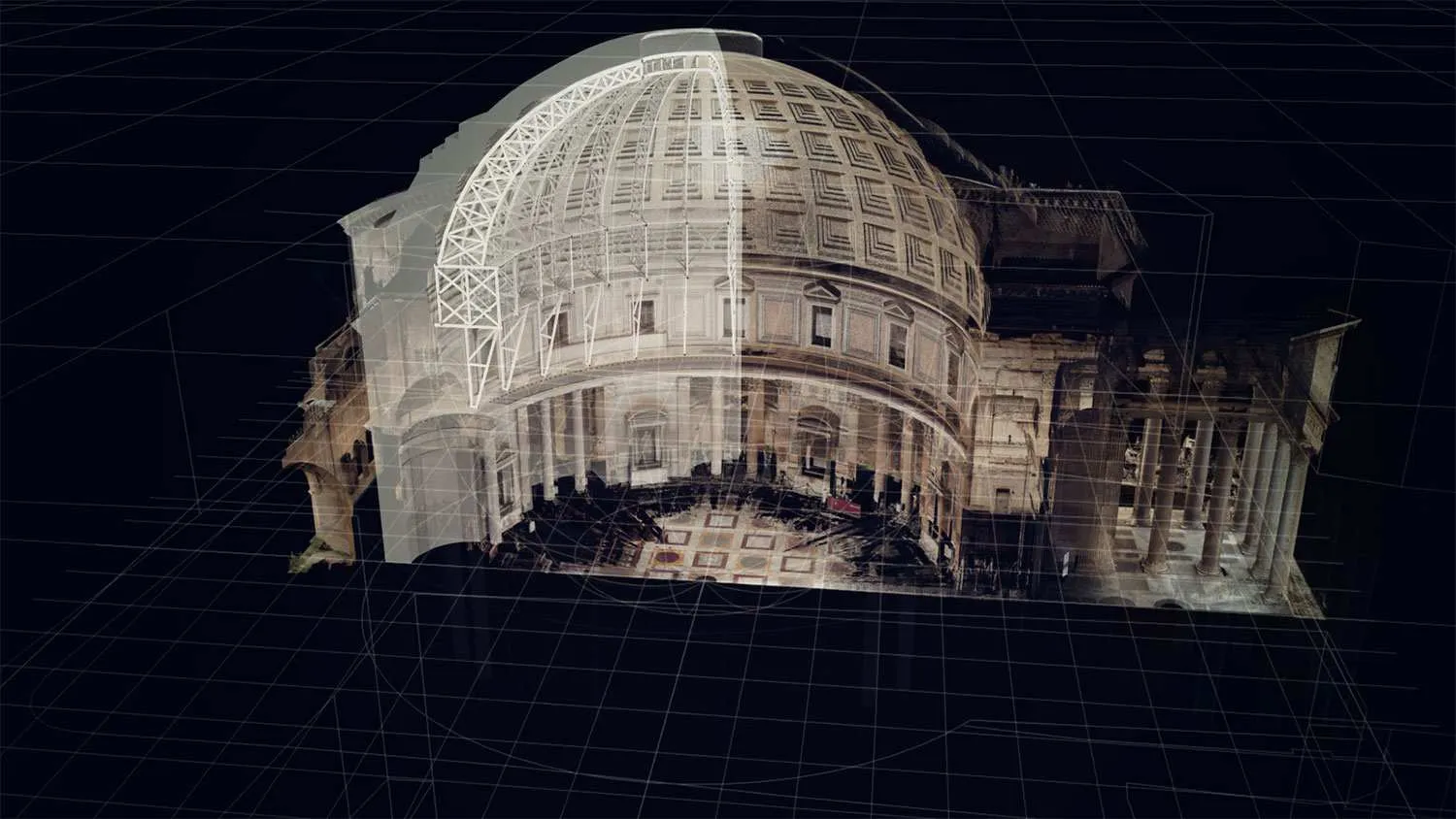
And how the Romans went about building it